Family laws in India are governed by a mix of personal laws based on religion, statutory laws, and judicial precedents. Here’s an overview of the major legal provisions related to family matters in India: 1. Marriage Laws Hindu Marriage Act, 1955 – Governs marriage among Hindus, Buddhists, Jains, and Sikhs. It covers conditions for a...Read More
Legal Advice for Mutual Divorce Proceedings in India Divorce is a challenging process, but when both parties mutually agree to end their marriage, the legal procedure can be smoother. Mutual divorce comes under Indian law as a simple way to dissolve a marriage under Indian law. Mutual divorce is a process where the legal complexities...Read More
The Protection of Children from Sexual Offences Act (POCSO Act) was enacted in 2012 to address and prevent sexual offenses against children in India. The Act provides a robust legal framework to safeguard children from sexual abuse, sexual harassment, and pornography while ensuring child-friendly procedures during the legal process. Key Provisions of the POCSO Act...Read More
Cyber laws in India are primarily governed by the Information Technology Act, 2000 (IT Act, 2000) and its amendments. These laws regulate cyber activities, digital transactions, cybercrimes, and electronic governance. Below are key aspects of Indian cyber laws: 1. Information Technology Act, 2000 This is the main law governing cyber-related offenses and electronic commerce in...Read More
Section 67B in The Information Technology Act, 2000 Social media has changed the face of the world. These online sites have millions of users where an individual shares anything, and everyone enjoys watching. The minors are very much attached to these sites, and some of the fraud creators try to harm these minors for views....Read More
IPC Section 306 – Abetment of Suicide-Best Criminal Advocate in Delhi IPC Section 306 – Abetment of Suicide The Indian Penal Code or the IPC is the main and the most important workplace for criminal laws in India. Section 306 of the IPC indicates the abatement of Suicide. This act is designed to punish the...Read More
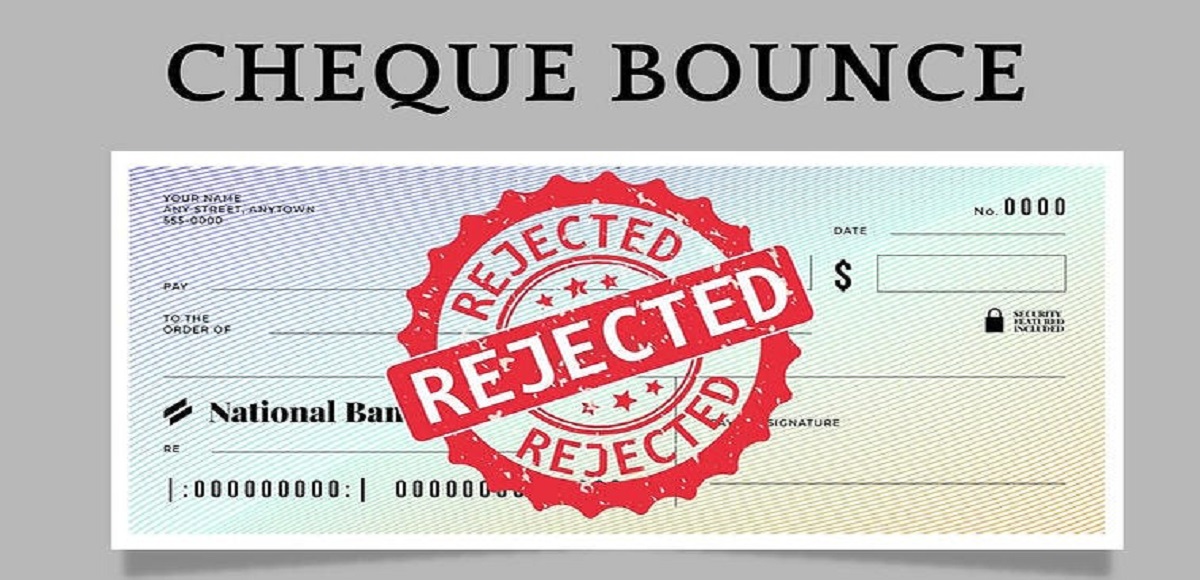
Cheque bounce cases, also known as dishonored cheques, are a common financial and legal issue in India. They arise when a cheque issued by an account holder is returned unpaid by the bank due to various reasons. These cases are governed by Section 138 of the Negotiable Instruments Act, 1881. What is a Cheque Bounce?...Read More
NDPS Cases Bail Lawyer in Delhi. Understanding NDPS Cases: Laws, Procedures, and Implications The Narcotic Drugs and Psychotropic Substances Act, 1985 (NDPS Act), is the principal legislation in India aimed at combating drug trafficking and abuse. This article delves into the intricacies of NDPS cases, including legal provisions, procedures, and their societal implications. What is...Read More
Best Family Matters Lawyer in Delhi. How to Win Child Custody for Fathers A father is a very emotional person. Our jurisdiction system is very complex and always supports women for the favour. Indian law is very complex and always supports the woman to have custody of the child. A father needs to pay for...Read More








Recent Comments