
Introduction
Domestic violence is a pervasive issue that affects individuals across all demographics. It encompasses physical, emotional, psychological, sexual, and financial abuse. While many victims suffer in silence, legal advocacy plays a crucial role in ensuring protection and justice. Understanding the legal avenues available can empower victims and help break the cycle of abuse.
Understanding Domestic Violence Laws
Legal frameworks across jurisdictions define domestic violence as a criminal offense. Many laws recognize various forms of abuse beyond physical violence, including coercive control, harassment, and financial manipulation. Protective laws aim to safeguard victims while holding perpetrators accountable.
Legal Protections for Victims
Victims of domestic violence have access to several legal protections, including:
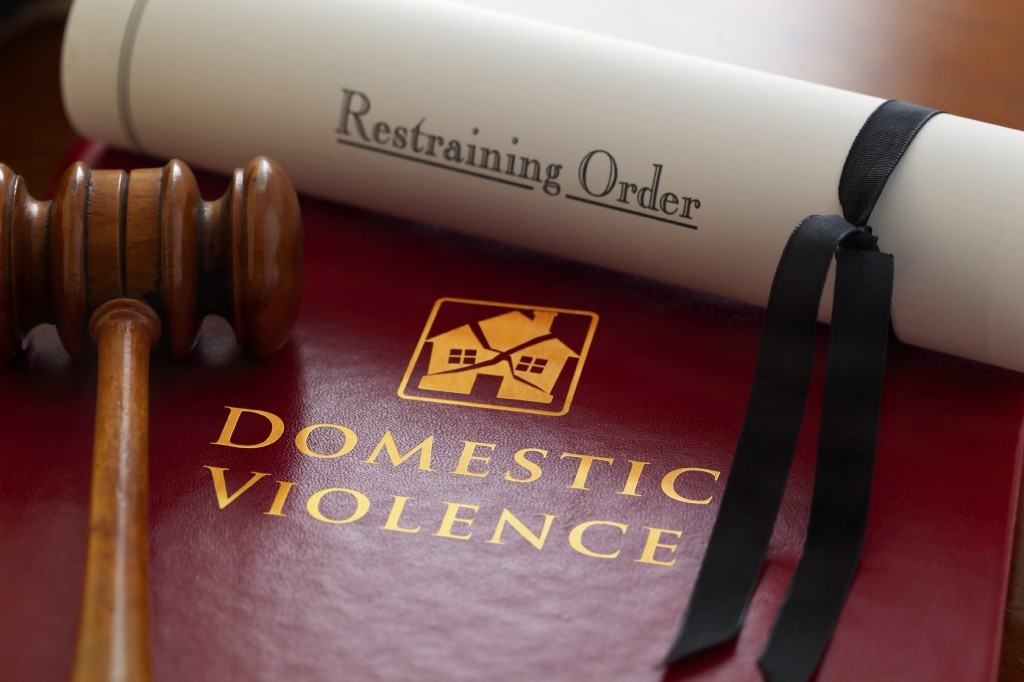
- Restraining Orders & Protection Orders: Courts can issue these orders to prevent abusers from contacting or approaching victims.
- Criminal Prosecution: Domestic violence cases can lead to criminal charges, including assault, battery, or harassment.
- Family Law Remedies: In cases involving children, courts prioritize the safety of minors by modifying custody and visitation rights.
- Emergency Shelter & Support Services: Many jurisdictions offer emergency shelter, legal aid, and counseling services to protect victims.
Role of Legal Advocacy
Legal professionals play a pivotal role in protecting domestic violence victims. They help navigate legal proceedings, file restraining orders, represent victims in court, and ensure their rights are upheld. Advocacy organizations work alongside attorneys to provide holistic support, including shelter, counseling, and financial aid.
Challenges in Domestic Violence Cases
Despite legal protections, victims often face obstacles such as fear of retaliation, emotional trauma, and financial dependence. Law enforcement and legal practitioners must work collaboratively to create a supportive environment where victims feel safe seeking justice.
Steps to Take if You Are a Victim
- Seek Immediate Safety: Contact emergency services or a trusted support system.
- Obtain Legal Protection: File for a restraining order or protective order.
- Document Evidence: Keep records of abuse, including messages, photographs, or medical reports.
- Consult a Legal Professional: Seek legal guidance to understand your rights and options.
- Access Support Services: Reach out to shelters, crisis helplines, or advocacy groups.
Conclusion
Breaking the silence on domestic violence requires legal empowerment, advocacy, and societal support. Legal professionals, policymakers, and communities must work together to ensure victims receive protection and justice. If you or someone you know is experiencing domestic violence, legal avenues and support systems are available to help rebuild a life free from abuse.
