
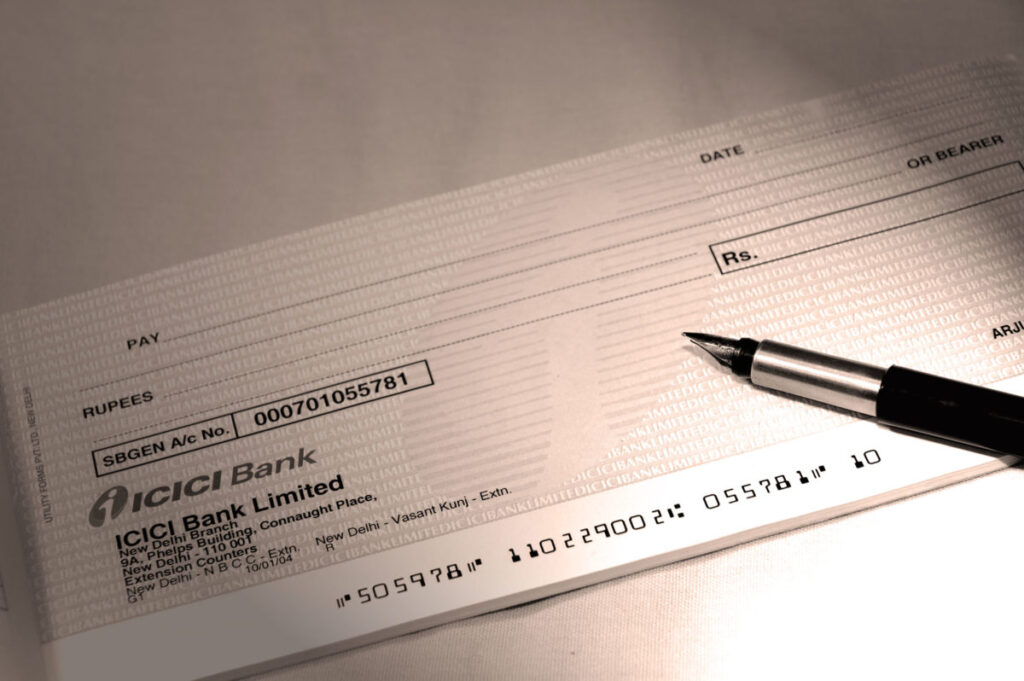
A cheque bounce is a common occurrence in the world of finance, yet it can lead to significant legal and financial consequences. Whether it’s due to insufficient funds, a technical error, or deliberate fraud, a bounced cheque can disrupt businesses, individuals, and contractual agreements. Understanding the legal remedies available is crucial for both payees and drawers to protect their interests.
What is a Cheque Bounce?
A cheque bounce occurs when a bank refuses to honour a cheque presented for payment. The reasons for dishonouring a cheque can vary, but the most common include:
-
Insufficient funds in the issuer’s account.
-
Inaccurate or incomplete information on the cheque.
-
Closed or frozen accounts.
-
Mismatch of signatures.
While a bounced cheque may seem like a minor inconvenience, it can escalate into a serious issue, especially if the payee decides to pursue legal action.
Legal Framework in India: The Negotiable Instruments Act
In India, the Negotiable Instruments Act, 1881 governs the rules around cheques and the legal consequences of dishonouring them. Section 138 of the Act specifically deals with the offence of cheque dishonour. Under this section, a person who issues a dishonoured cheque can be held criminally liable and subject to penal action.
Steps to Take After a Cheque Bounces
-
Immediate Notification:
Once a cheque is dishonoured, the payee must inform the drawer (the person who issued the cheque) within 30 days of receiving the notice from the bank. -
Demand Notice:
After receiving the bank’s notification, the payee has the right to issue a demand notice to the drawer, requesting payment within 15 days from the date of receipt. -
Filing a Complaint:
If the drawer fails to make the payment within the stipulated time, the payee can file a criminal complaint under Section 138 of the Negotiable Instruments Act in the relevant court. The penalty for cheque dishonour can include imprisonment up to 2 years and/or a fine up to twice the cheque amount.
Defending a Cheque Bounce Case
If you’re the drawer facing legal action due to a bounced cheque, there are several defenses you may use:
-
Lack of Knowledge: You may claim that the cheque was issued without your knowledge or that it was misused.
-
Insufficient Funds Due to Error: In cases of technical errors like bank system failures or genuine mistakes in account balance calculation, you may seek leniency.
-
Existing Disputes: If the payment is related to a dispute (e.g., a contractual disagreement), the defence may argue that the cheque was issued based on a miscommunication or unmet conditions.
Civil Suit for Recovery of Money
In addition to the criminal remedy under the Negotiable Instruments Act, the payee can also pursue a civil suit for the recovery of the outstanding amount, including interest and costs related to the dishonoured cheque.
Precautionary Measures
-
Confirm Funds: Always ensure that the account from which you issue a cheque has sufficient balance.
-
Issue Post-Dated Cheques Carefully: Avoid issuing cheques for amounts or dates you cannot fulfill.
-
Clear Communication: Both parties should ensure clear and precise communication about the cheque and its purpose to avoid future disputes.
Conclusion
While a cheque bounce may initially appear to be a minor setback, it can quickly escalate into a legal nightmare for the drawer if not handled promptly. It’s vital to understand the legal implications under the Negotiable Instruments Act and take quick action to safeguard your rights. For both payees and drawers, consulting with an experienced legal professional is crucial to navigate the complexities of cheque bounce cases.
