
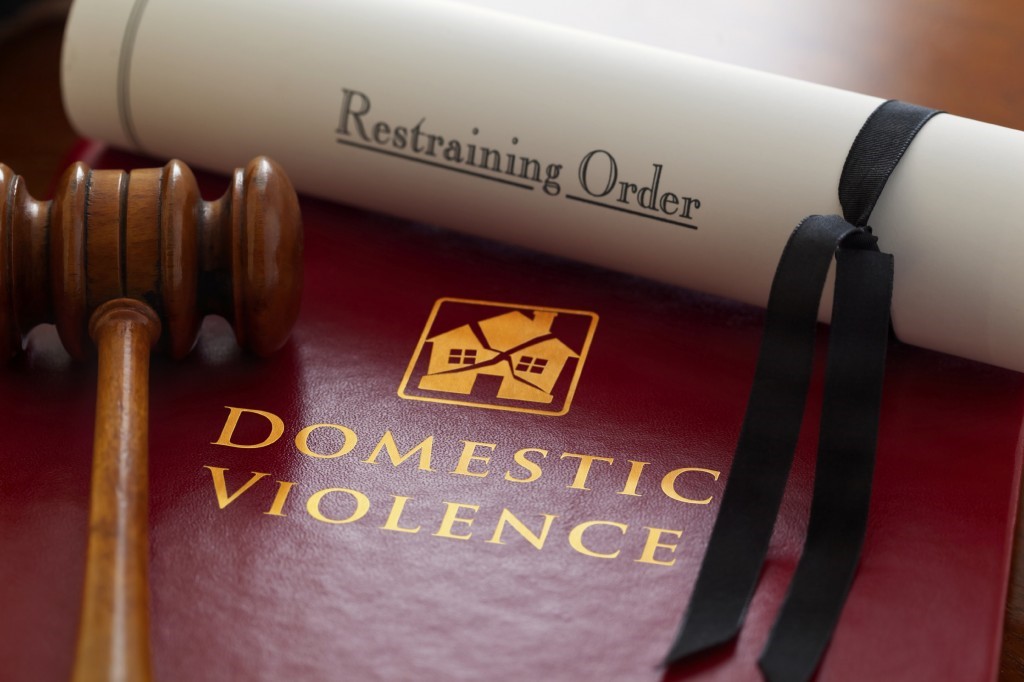
Domestic violence is a deeply pervasive issue that affects millions of people worldwide, yet it often remains shrouded in silence. It occurs across all demographics—regardless of age, gender, ethnicity, or socio-economic background—and often goes unreported, making it one of society’s most hidden crises. Breaking the silence is not just about raising awareness; it’s about creating a space for healing, support, and action.
What is Domestic Violence?
Domestic violence refers to a pattern of abusive behavior used by one person to gain or maintain control over another in an intimate or familial relationship. It manifests in various forms, including physical, emotional, psychological, sexual, and financial abuse.
While physical abuse is the most visible, emotional and psychological abuse are often just as damaging, if not more so. These forms of abuse include manipulation, intimidation, threats, and isolation, which can be just as damaging to the victim’s mental and emotional health as physical harm.
The Hidden Faces of Domestic Violence
One of the most insidious aspects of domestic violence is its ability to hide behind closed doors. Many victims remain silent due to fear, shame, financial dependence, or lack of support. It is common for survivors to feel trapped, believing there are no resources or pathways out of the abusive situation.
The stigma surrounding domestic violence is often a barrier to seeking help. Victims may feel isolated or worry that they will not be believed, or that their experiences will be minimized or dismissed. For many, leaving the relationship can feel impossible due to economic dependence, children involved, or fear of retaliation.
The Impact of Domestic Violence on Victims
The effects of domestic violence are profound and long-lasting, affecting victims physically, emotionally, and socially:
-
Physical Health: Survivors of domestic violence are at increased risk of injuries, chronic health conditions, and even death. Physical abuse can result in visible injuries, but long-term effects such as chronic pain, gastrointestinal issues, and neurological damage are also common.
-
Emotional and Psychological Impact: The emotional toll of domestic violence can lead to anxiety, depression, PTSD, and feelings of hopelessness. Victims often develop a low sense of self-worth and may experience difficulty in trusting others or forming healthy relationships.
-
Social Isolation: Abusers often isolate their victims from friends, family, and support systems, which can make it even harder for survivors to escape. The emotional and psychological manipulation leads to a breakdown of social connections, leaving victims feeling alone and unsupported.
-
Financial Consequences: Financial abuse is another form of domestic violence, where the abuser controls all financial resources, making the victim dependent and unable to leave the relationship. This financial control can be a major factor in a survivor’s decision to stay, even when their safety is at risk.
Breaking the Silence: Raising Awareness and Seeking Solutions
Breaking the silence around domestic violence requires a collective effort to understand the issue, acknowledge its impact, and create a supportive environment for survivors. Here are a few ways to make a difference:
-
Encourage Open Conversations: By talking openly about domestic violence, we can reduce the stigma and encourage victims to seek help. Discussions should be non-judgmental, supportive, and informed.
-
Education and Advocacy: It is crucial to educate communities about the signs of domestic violence, available resources, and legal protections. This can be done through campaigns, workshops, and social media outreach.
-
Support Services and Resources: Accessible shelters, legal assistance, counseling, and hotlines are essential for those seeking help. Empowering survivors with knowledge of their rights and available resources is key to helping them break free from abuse.
-
Legal Frameworks and Protection: Stronger legal protections for victims of domestic violence, such as restraining orders, access to financial support, and counseling services, are vital to breaking the cycle of abuse. Legal advocacy is a powerful tool in the fight to protect those in danger.
How to Help Someone Experiencing Domestic Violence
If you suspect someone is experiencing domestic violence, it’s important to approach the situation with care and compassion. Here are some steps you can take:
-
Listen Without Judgment: Let the person know you’re there for them, without blaming them or making them feel responsible for the abuse.
-
Respect Their Choices: Understand that leaving an abusive relationship can be complicated. Offer support, but respect their decision, even if they’re not ready to leave.
-
Provide Information: Share resources such as local shelters, legal support, and hotlines. Information can empower victims to make informed decisions about their safety.
-
Ensure Safety: If the person is in immediate danger, encourage them to contact law enforcement or reach out to an emergency shelter.
Conclusion: The Power of Breaking the Silence
Domestic violence is a devastating cycle, but it is not a life sentence for its victims. By breaking the silence, we can create a community that supports survivors, holds abusers accountable, and prevents further harm.
